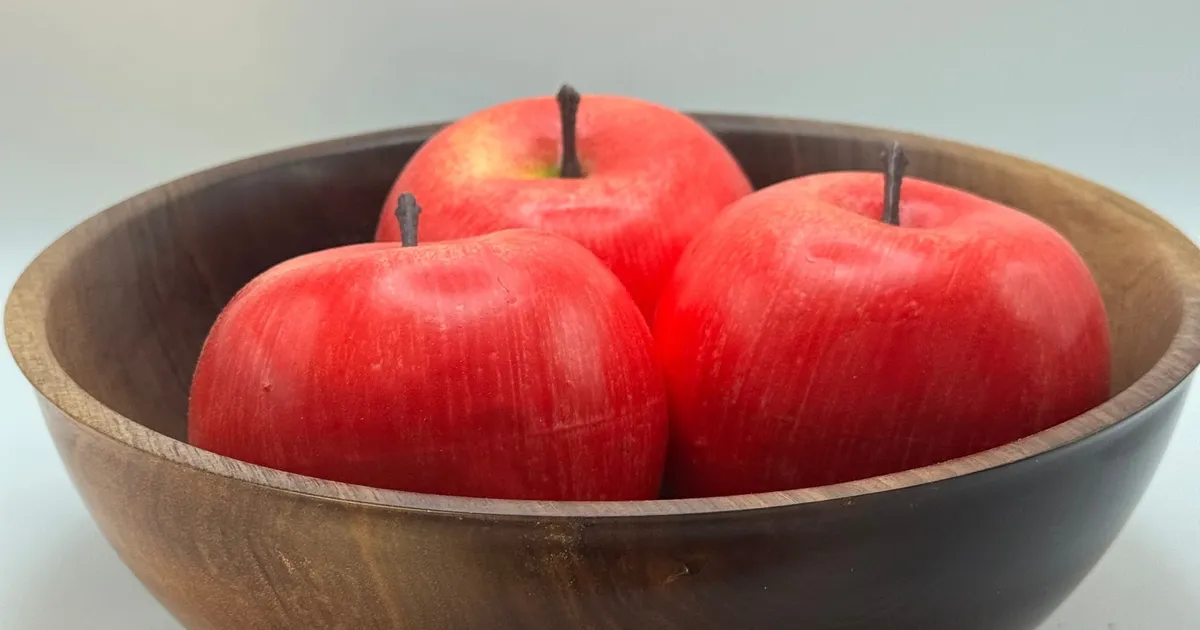
Are Wood Bowls Food Safe? A Straight Answer for Buyers
This is a question I get from buyers fairly often, and when I first started looking into it myself, I found a lot of confident-sounding conflicting answers online. So I want to be upfront: I’m a woodturner, not a chemist or food safety expert. What follows is what I’ve pieced together from finishing experts, the woodworking community, and product documentation — with links to the primary sources so you can read them yourself and draw your own conclusions.
The short answer, based on what I’ve read: According to finishing experts like Fine Woodworking and experienced turners in the AAW community, virtually any finish is considered food safe once it has fully cured — meaning the solvents have completely evaporated and the finish has fully hardened. The real question, in their view, isn’t which finish was used; it’s whether it was given enough time to cure completely before the bowl was used for food.
What “Food Safe” Actually Means — According to Finishing Experts
James Hamilton of Stumpy Nubs Woodworking Journal — a well-known North American woodworking publication — puts it plainly: “Most of the fear around ‘food-safe’ wood finishes comes from marketing, not science. Almost every modern finish is completely food-safe once it has fully cured — so choose your finish based on durability and use, not the label.” He covers the same topic in a YouTube video if you prefer to watch rather than read.
His practical test for whether a finish has fully cured: if you can still smell it with your nose right against the surface, it isn’t ready.
Fine Woodworking, after consulting with chemists, regulatory agencies, and finishing experts, frames it similarly: for a finish to be considered food safe, any molecules that might leach into food must be either completely safe to consume, or present in such small quantities that the body can easily process them. A fully cured finish is chemically stable and essentially inert.
The American Association of Woodturners forum reflects the same consensus among experienced turners: finish type matters less than whether it’s had adequate time to cure fully.
What this means practically: a bowl finished with almost anything — polymerized tung oil, Rubio Monocoat, even a film finish — is generally considered safe once the solvents have completely flashed off and the finish has hardened. The concern isn’t the finish chemistry so much as whether it was given enough time before being put into food use.
The Finishes I Use, and Why
I’m not going to tell you the finishes I use are the only safe options — that’s not what the evidence suggests. But here’s what I’ve landed on for my own work and why.
Polymerized tung oil is my primary finish for food-contact bowls. Specifically, I use Sutherland Welles polymerized tung oil — a company that has specialized in tung oil finishes since 1965. Their FAQ states directly: “ALL of our finishes are considered inert and food safe after they are fully cured for 30 days.” Pure tung oil also appears in the FDA’s list of permitted indirect food additives under 21 CFR 178.3800. What appeals to me about it: it’s a penetrating oil (it sinks into the wood rather than sitting on top), has a predictable cure window, and no added chemical dryers. I let bowls cure for a minimum of 30 days before they leave my shop.
Rubio Monocoat Pure is what I use on certain interiors. Rubio has gone further than most manufacturers and had their product independently tested by Eurofins, a third-party testing institute, against European Framework Regulation 1935/2004 for food contact materials. That kind of third-party documentation is rare in the finish world and gives me confidence in it.
Beeswax and carnauba wax, sometimes applied as topcoats over oil, have been used on food-contact wood for generations. Both are widely listed in the natural finishing community as accepted food-contact options — and carnauba wax goes further: it’s an FDA-recognized food additive (21 CFR 184.1978), used in food coatings and confections. Real Milk Paint’s finishing guides include both among traditionally accepted food-contact finishes. On the lathe, I sometimes use Ack’s Wood Paste — a tripoli-based abrasive paste followed by their carnauba wax polish — which combines a final surface prep and wax finish in one lathe-applied process. The finished surface is carnauba wax, which given its FDA food additive status gives me confidence using it on pieces I intend for food contact.
Osmo Polyx-Oil is what I reach for when I need a faster turnaround. It’s a plant-based hardwax oil (sunflower, soybean, and thistle oils with carnauba and candelilla waxes) that cures in 24 hours versus several days for polymerized tung oil. Osmo states that their Polyx-Oil is suitable for surfaces that come into contact with food once cured. It produces a more consistent sheen than penetrating oils on flat or near-flat surfaces.
The “Tung Oil Finish” Naming Problem
One thing that does matter: labeling. Products sold as “tung oil finish” at hardware stores are often not pure tung oil — they’re typically blended with mineral spirits, varnish, or linseed oil. Real Milk Paint’s finishing guides and others in the natural finishing community have written about this at length. A blend isn’t necessarily unsafe once fully cured, but you don’t always know what’s in it or how long it takes to cure completely — which makes it harder to know when it’s actually food safe.
This is why I use 100% pure polymerized tung oil rather than a blend: the cure behavior is predictable and well-documented.
Questions Worth Asking Before You Buy
If you’re purchasing a handmade bowl from any maker, these are reasonable questions that any experienced craftsperson should be able to answer:
- What finish did you use, and is it a pure product or a blend?
- How long do you cure it before you consider it ready for food contact?
- Is the interior finish the same as the exterior?
That last one matters because some decorative finishes — like the Rubio Monocoat Black I use on ebonized exteriors — aren’t formulated for food contact. Rubio’s own documentation distinguishes between their Pure (food contact) and pigmented (decorative) versions. A bowl with a decorative exterior and a Pure-finished interior is intended for serving; it’s worth knowing which surface is which before using it for food.
Safe Use in Practice
Once you have a bowl that’s been properly finished and given adequate cure time, everyday use is exactly what it’s built for. A few practical notes:
Hand wash only. Warm water and mild dish soap, dried immediately. The dishwasher’s heat, detergents, and prolonged moisture will degrade any finish over time.
Avoid leaving acidic foods overnight. Serving a vinaigrette salad is fine. Letting a dressing sit in the bowl for hours is harder on the finish. Serve, then wash.
Refresh the finish once or twice a year. A thin coat of food-grade mineral oil, absorbed for 15 minutes and buffed off, keeps the surface in good condition. Full care details in the Wood Bowl Care Guide →.
The Bottom Line
Based on what I’ve read from finishing experts and the woodturning community, the food safety question is less about which specific finish was used and more about whether it’s been fully cured. The general view among those experts is that a well-made bowl, finished with quality products and given adequate time to cure, is appropriate for everyday food use.
This post is not professional food safety advice. Read the manufacturer documentation for any finish you use and draw your own conclusions.
For what it’s worth: every bowl I make for food contact gets a minimum 30-day cure before it ships. That follows Sutherland Welles’ own guidance for their finish — but I’d encourage you to read the sources below and form your own view.
Further Reading
The sources I leaned on while putting this together:
- Stumpy Nubs Woodworking Journal: Is Any Wood Finish Really Food-Safe? — James Hamilton’s clear-headed breakdown of why the “food safe” label is largely a marketing distinction, not a scientific one; also available as a YouTube video
- Fine Woodworking: Food-Safe Finish Considerations — thorough overview developed with input from chemists and finishing experts
- FDA 21 CFR 178.3800 — the federal regulation covering tung oil as a food-contact surface material
- Rubio Monocoat Food Contact Compliance — Eurofins-tested third-party declaration for Rubio’s oil system
- Sutherland Welles FAQ — the manufacturer of the polymerized tung oil I use; their FAQ states all their finishes are “inert and food safe after fully cured for 30 days”
- RMP Finishes: A Guide to Food-Safe Wood Finishes — useful breakdown of pure vs. blended oils and what the labeling actually means
- AAW Forum: Food Safe Finish for Utility Bowls — real-world discussion among experienced woodturners on this exact question
Frequently Asked Questions
Are wood bowls safe to eat from?
According to finishing experts like Fine Woodworking and the woodturning community: a properly finished bowl, once the finish has fully cured, is generally considered appropriate for food use. The reasoning they give: a fully cured finish — one where all solvents have evaporated and the finish has hardened — is essentially inert and doesn’t leach into food in meaningful quantities. I’d encourage reading the linked sources and checking the documentation for whatever finish was used.
Is polymerized tung oil food safe?
The FDA lists pure tung oil as a permitted material for food-contact surfaces under 21 CFR 178.3800. Sutherland Welles, the manufacturer of the polymerized tung oil I use, states in their FAQ that their finishes are “inert and food safe after they are fully cured for 30 days.” That’s the documentation I rely on. The important distinction: products labeled “tung oil finish” often contain solvents and additives and aren’t the same thing as 100% pure tung oil.
Can you put food in a wooden bowl?
For everyday use — salads, fruit, bread, dry snacks — a properly finished and cured bowl is generally what the woodturning community considers appropriate for food use. Avoid leaving strongly acidic foods (like dressed salads) sitting in the bowl for hours, and always hand wash rather than using a dishwasher.
What wood bowl finishes are food safe?
According to finishing experts like Fine Woodworking, virtually any finish is considered food safe once fully cured. Penetrating oils like pure tung oil, Rubio Monocoat Pure, and mineral oil are commonly recommended in the woodturning community because they have predictable cure windows and no film to crack or chip. The “tung oil finish” blends at hardware stores are a gray area — not because of any inherent chemistry, but because the formulation and cure behavior vary and aren’t always disclosed on the label.
How do I know if a handmade bowl is food safe?
Ask the maker what finish they used (pure or blended?) and how long they cure it before considering it ready for food contact. That’s the practical question — most of the community agrees that adequate cure time is the key variable, more than the specific finish choice.
Interested in a custom piece with similar character?
I take a limited number of commissions each month to ensure every piece receives the attention it deserves. Let's discuss your custom commission