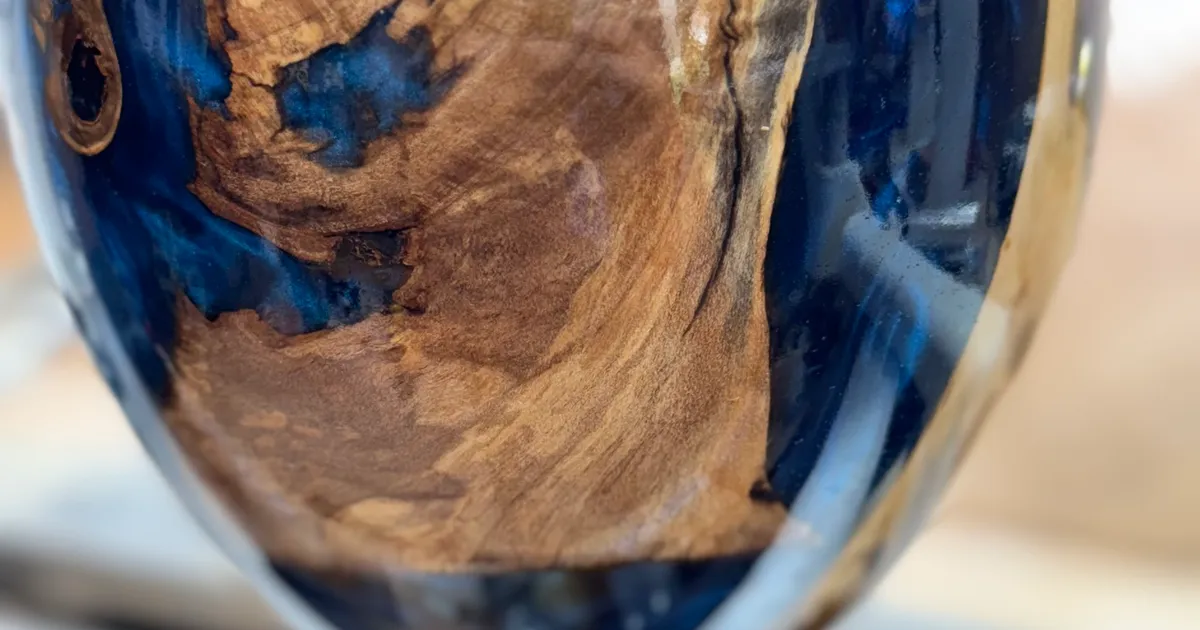
What to Ask When Commissioning a Wood Bowl: A Buyer's Guide
Commissioning a hand-turned wood bowl is different from buying one off a shelf, and the difference is mostly good: you get to participate in what gets made. But that also means you’re making choices, and most people commissioning a piece for the first time aren’t sure what questions to ask.
Here’s a guide to the conversation — what matters, what’s flexible, and what to communicate clearly so you end up with exactly what you’re imagining.
Wood Species: The Most Important Decision
This is where to spend most of your thinking time, because the species determines almost everything about what the finished piece looks and feels like — color, grain character, how it ages, and whether it’s suited to how you’ll use it.
The four species I work with most are covered in depth in the wood species guide, but here’s the short version for commissioning:
- Cherry is warm, fine-grained, and deepens in color over years. If you want something that looks good the day you receive it and even better in five years, cherry is the answer. Best for: everyday bowls, gifts for someone who uses rather than displays.
- Walnut has immediate visual weight — that deep chocolate brown is unmistakable and commands a room. It doesn’t change dramatically with age. Best for: statement pieces, premium gifts, modern or masculine aesthetics.
- Maple is pale and luminous with a tight grain. Ambrosia maple has bold brown-gray streaking; spalted maple has dramatic dark zone lines. Best for: pieces where striking figure is the point, or where you want something that stands out against darker decor.
- Ash is architectural — pale with bold, parallel grain lines. It takes color beautifully, including deep matte blacks. Best for: modern or Scandinavian aesthetics, pieces where the grain structure itself is the design.
If you have a photo of a piece you love or a specific decor context in mind, share it. That’s useful information.
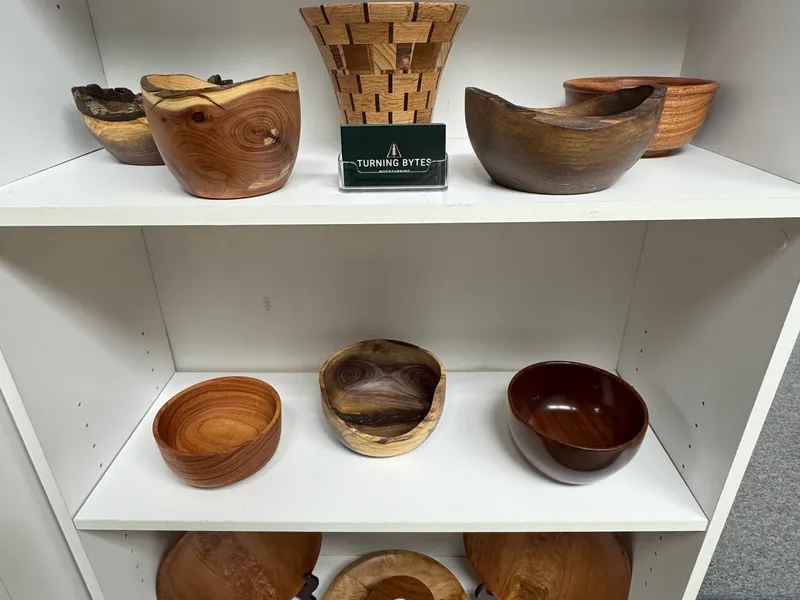
Size: Functional vs. Decorative
Bowl size affects both how it looks and what it’s useful for. For a commission, it helps to think in terms of intended use first:
- 8–9 inches diameter: Good for fruit display, serving bread or snacks, a desk or nightstand object. Comfortable to handle, appropriate for most surfaces.
- 10–12 inches diameter: The most versatile range — substantial enough to anchor a kitchen island or dining table, still sized for active use.
- 12 inches and up: Statement scale. These are centerpieces. They command a space and are typically more decorative than functional.
For depth: a shallower bowl (2–3 inches) reads as a display piece or catch-all. A deeper bowl (4–5 inches) functions better for actual fruit or salads.
If you’re not sure, tell me the surface it will live on and what you want to do with it. That usually answers the question.
Finish: Food-Safe vs. Decorative
This is worth asking about explicitly, because it affects which finishes are appropriate and how the piece can be used.
Food-safe (functional) finish: Penetrating oil finishes — polymerized tung oil, Tried & True Varnish Oil, Osmo PolyX, Rubio Monocoat Pure — are all food-safe when fully cured, which typically takes 5–10 days after the final coat. Pieces with these finishes can be used for fruit, bread, salads, and dry foods. They require a bit of care (hand-wash only, periodic re-oiling), but they’re built for use.
Decorative finish: If the piece is primarily a display object rather than a functional bowl, more options open up: film finishes for added sheen, pigmented hardwax oils like Rubio Black, or specialty finishes that might not be ideal for food contact but produce beautiful visual effects. The finishes guide has more detail here.
The distinction matters because some of the most visually striking options — ebonized ash, pieces with pigmented color — are better suited to display use. If you want something beautiful that you’ll also put fruit in, say so early, and we’ll choose accordingly.
Timeline
Custom pieces take time, and most of that time is waiting — for wood to dry, for finish coats to cure, for the schedule to allow focused lathe time. A realistic range for most commissions is 4–8 weeks from deposit to delivery, sometimes longer if the blank needs additional drying or if a specific species or figure needs to be sourced.
If you have a deadline — a birthday, an anniversary, a housewarming — mention it upfront. I’d rather know early and plan around it than rush the finish on a piece that deserves patience.
What to Communicate Clearly
Here’s what’s most useful to share when starting a commission conversation:
Who is it for? A piece for daily kitchen use is a different project than a gift for someone who collects handmade objects. The intended recipient shapes the choices.
What’s the setting? Modern kitchen with white marble? Warm farmhouse with wood tones everywhere? A home office? The context helps with species and finish decisions.
Do you have a reference? A photo of a piece you’ve seen and loved — from my work, from another maker, from a magazine — is worth a thousand words of description. Even if I can’t replicate it exactly, I can understand what drew you to it.
What’s the budget? This isn’t uncomfortable to mention. Knowing the range helps me suggest appropriate species and scale options rather than guessing.
Is food safety important? As above — say so early if the answer is yes.
A commission should feel like a collaboration, not an order form. If you’re not sure what you want, that’s fine — the conversation usually figures it out. The goal is a piece you’ll still be glad you have in twenty years.
Interested in a custom piece with similar character?
I take a limited number of commissions each month to ensure every piece receives the attention it deserves. Let's discuss your custom commission